

Overview of Themes

MIDI Quest
Created by Mike George
MIDI Quest comprises a suite of themes designed to accompany the narrative arc of an RPG adventure, following functional archetypes similar to Dragon Warrior and The Legend of Zelda.

Prologue & Title Fanfare
High-energy, stately fanfares serve as the entrance into the game world itself.
The pulse channels are employed to create a sense of majesty, often using duty-cycle modulated square waves to mimic brass instruments. The use of functional tonality — specifically the I-IV-V progression common in classical fanfares — is evident here, reflecting the influence of Sugiyama’s orchestral background.

Overworld Theme: Adventure and Scale
These looped tracks accompany the journey across a vast open field with a steady, adventurous rhythm.
The melodic structure often relies on the "heroic" intervals of the perfect fourth and fifth, which is composed in a complex counterpoint to enrich the 8-bit sound to feel “fuller” than its hardware limitations could typically produce.
This pseudo-polyphony is a hallmark of high-level NES composition, where notes of a triad are arpeggiated in rapid succession in order to create the illusion of a solid chord.
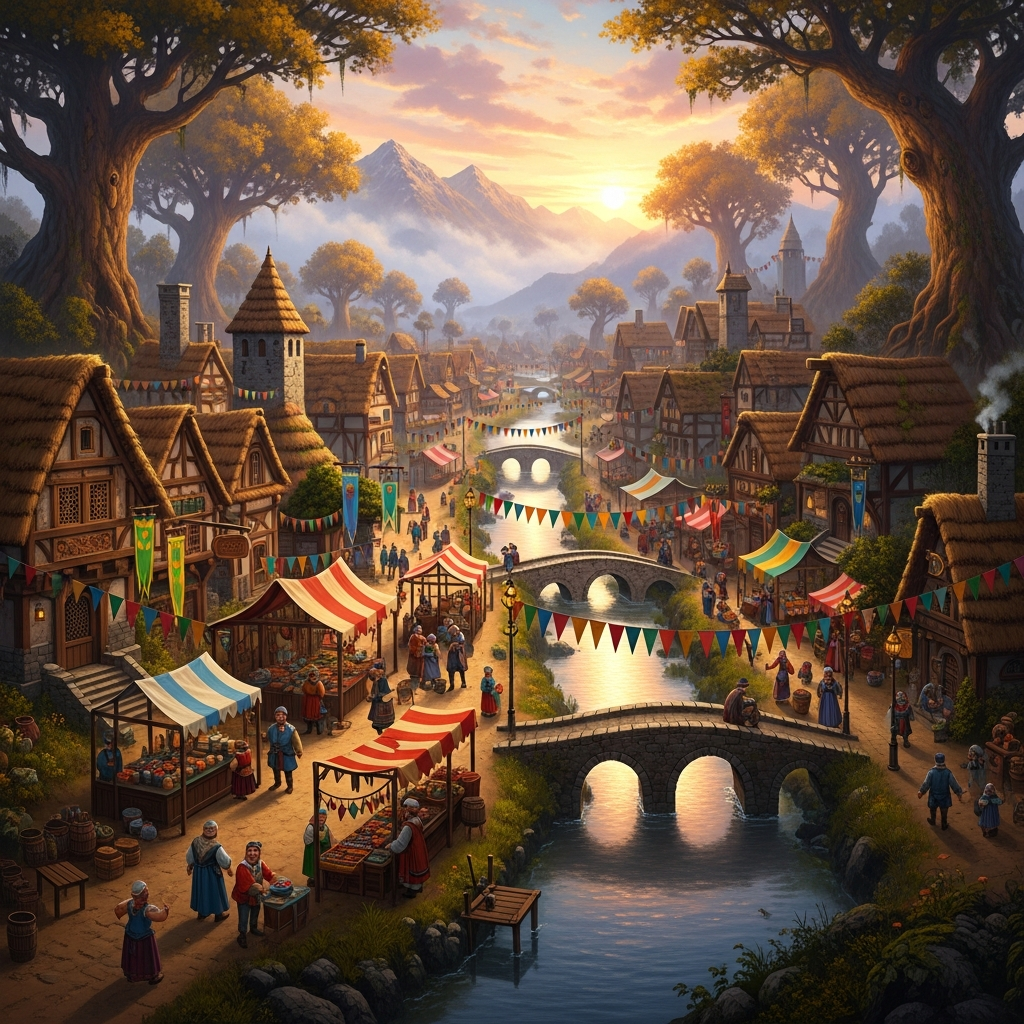
Town Theme:
Stability and Community
Provides a psychological safe zone, where adventurers rest and regroup.
This composition is reminiscent of Renaissance or Baroque dances, such as the minuet or the gavotte. The harmonic language is generally major-key and consonant, emphasizing a sense of peace and domesticity within the game's world.
The track often features woodwinds, whose sound is achieved by setting the pulse waves to a 12.5% or 25% duty cycle
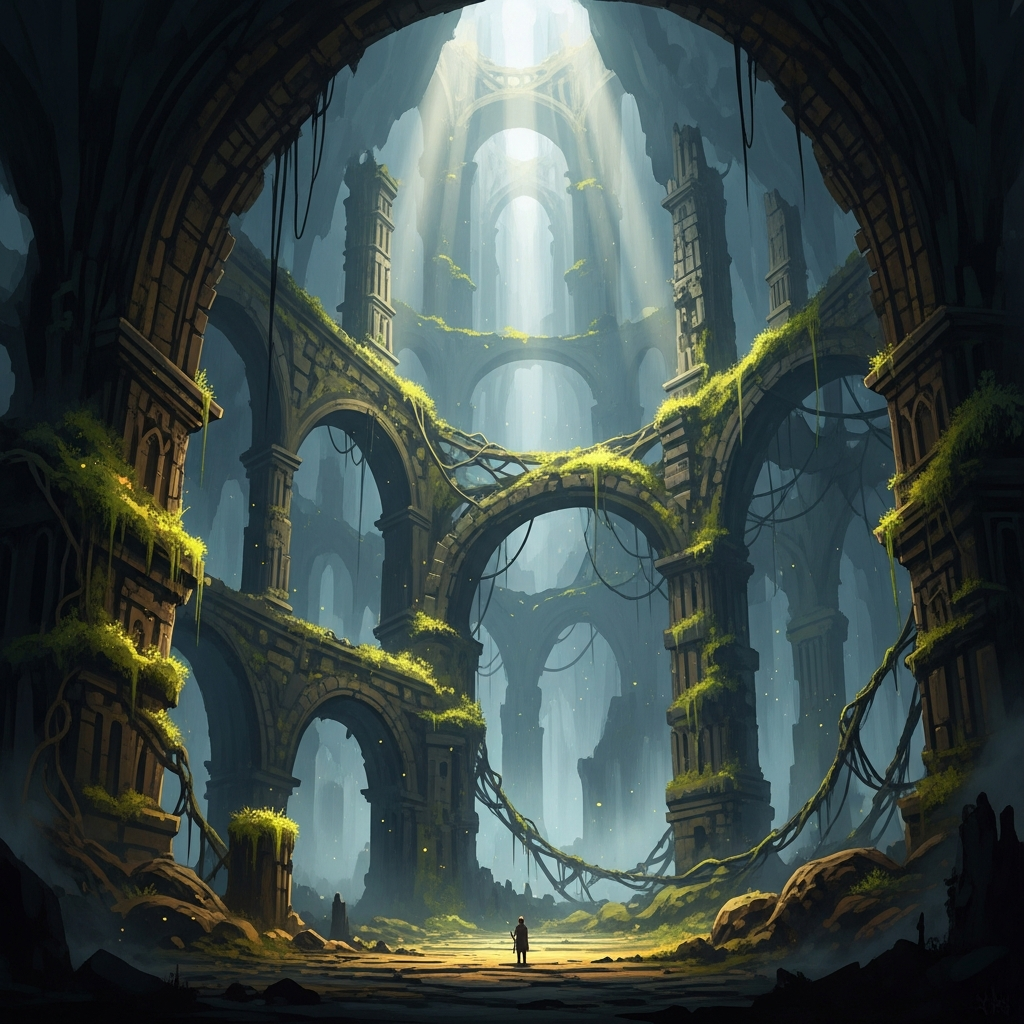
Dungeon Themes:
Tension and Minimalism
Represent the most atmospheric and experimental side of the collection
To evoke a sense of danger and claustrophobia, compositional focus shifts toward minor keys and chromaticism, making use of the triangle wave's low-frequency capabilities to generate an oppressive bass line that drones beneath the melody.
One of the more sophisticated techniques used in these themes is the software echo. Because the NES does not have built-in reverb, a second, quieter version of the melody is manually programmed with a 16th-note delay to portray the acoustics of a stone dungeon or a deep cavern.
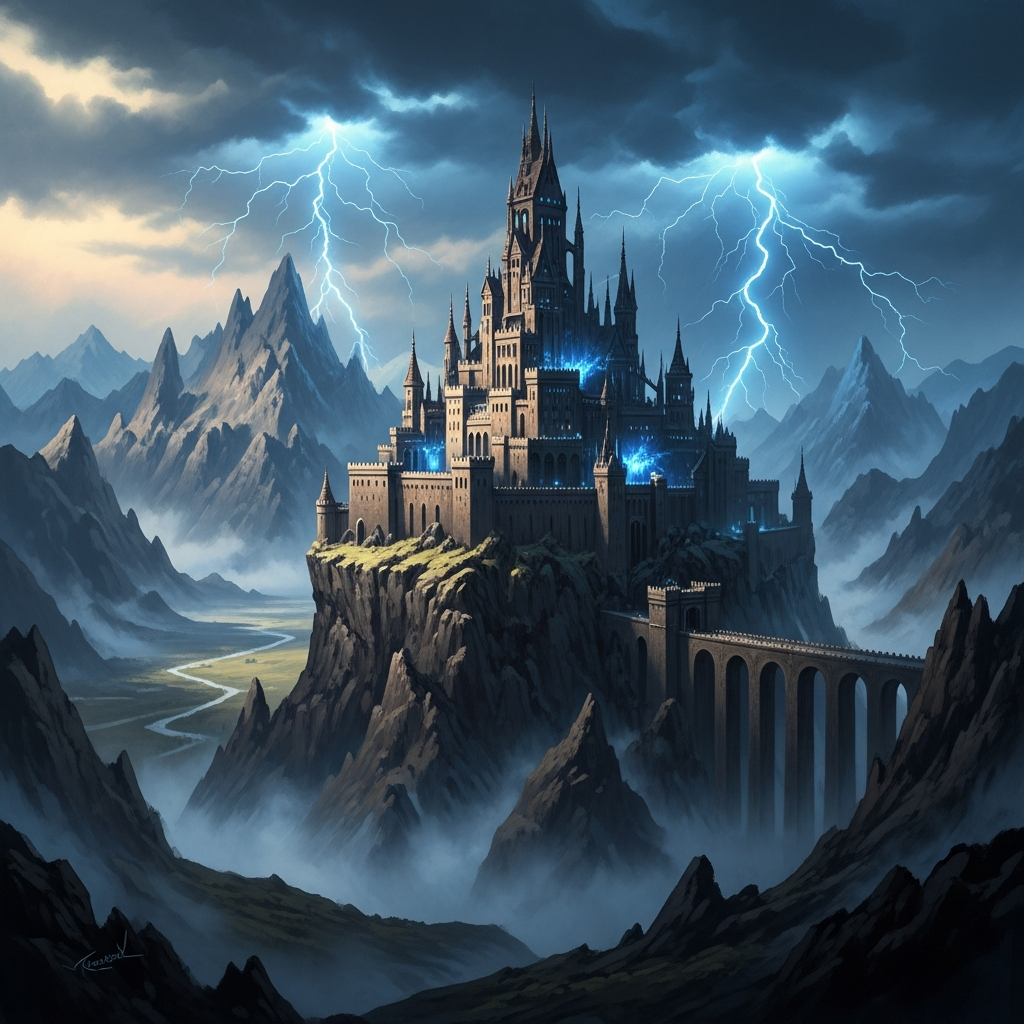
Boss Confrontation Themes
Create a sense of impending doom
The battle themes are the most rhythmic and percussion-heavy tracks in the collection. They utilize the noise channel extensively to create the sound of driving drums and crashing symbols. The tempo is significantly increased, and the melodic lines become more jagged and syncopated.
Diminished chords and rapid arpeggios are employed to create a sense of impending doom while approaching a nearby boss.
These tracks are the most complex in terms of "voice management," as the 3 melodic channels and noise channel must be carefully balanced to sustain musical coherence while maintaining a high level of intensity.